Start With the Age Range
Before anything else, who’s showing up? An elementary carnival and a middle school carnival aren’t the same event, not even close. And if you’re on a K-8 campus, you’re basically planning two carnivals at once. Little kids do well with smaller rides, bounce houses, combo units, simple games, nothing too intense. Older students want more of a challenge. Obstacle courses, climbing walls, sports competitions, bigger rides. Give them something to actually compete over, and they’ll stick around. If you’ve got a wide age range in the crowd, variety stops being nice-to-have. A trackless train or a Ferris wheel can anchor the whole thing, something everyone gravitates toward, while the smaller stuff fills in the gaps around it.Use Carnival Rides as the Main Attraction
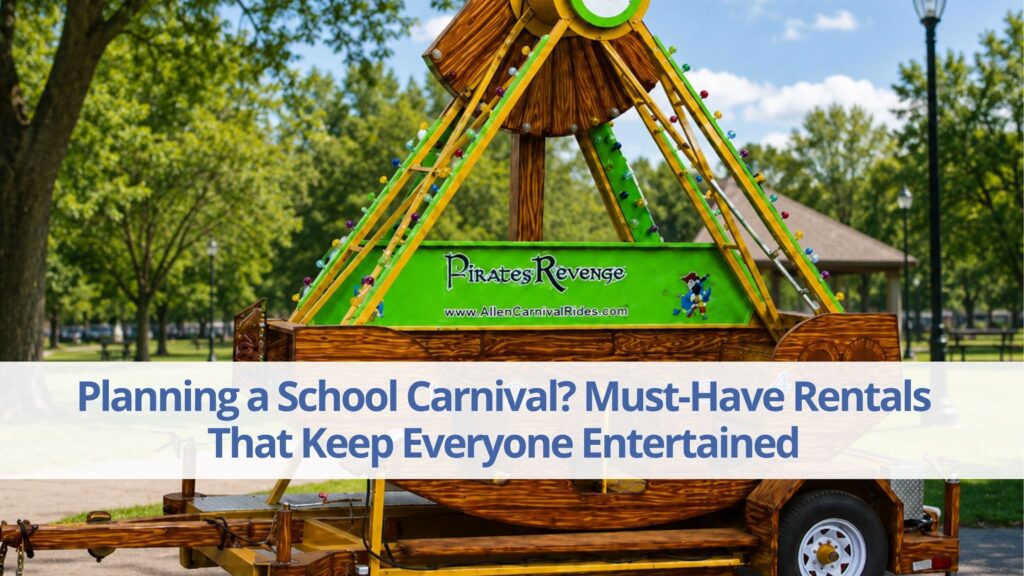
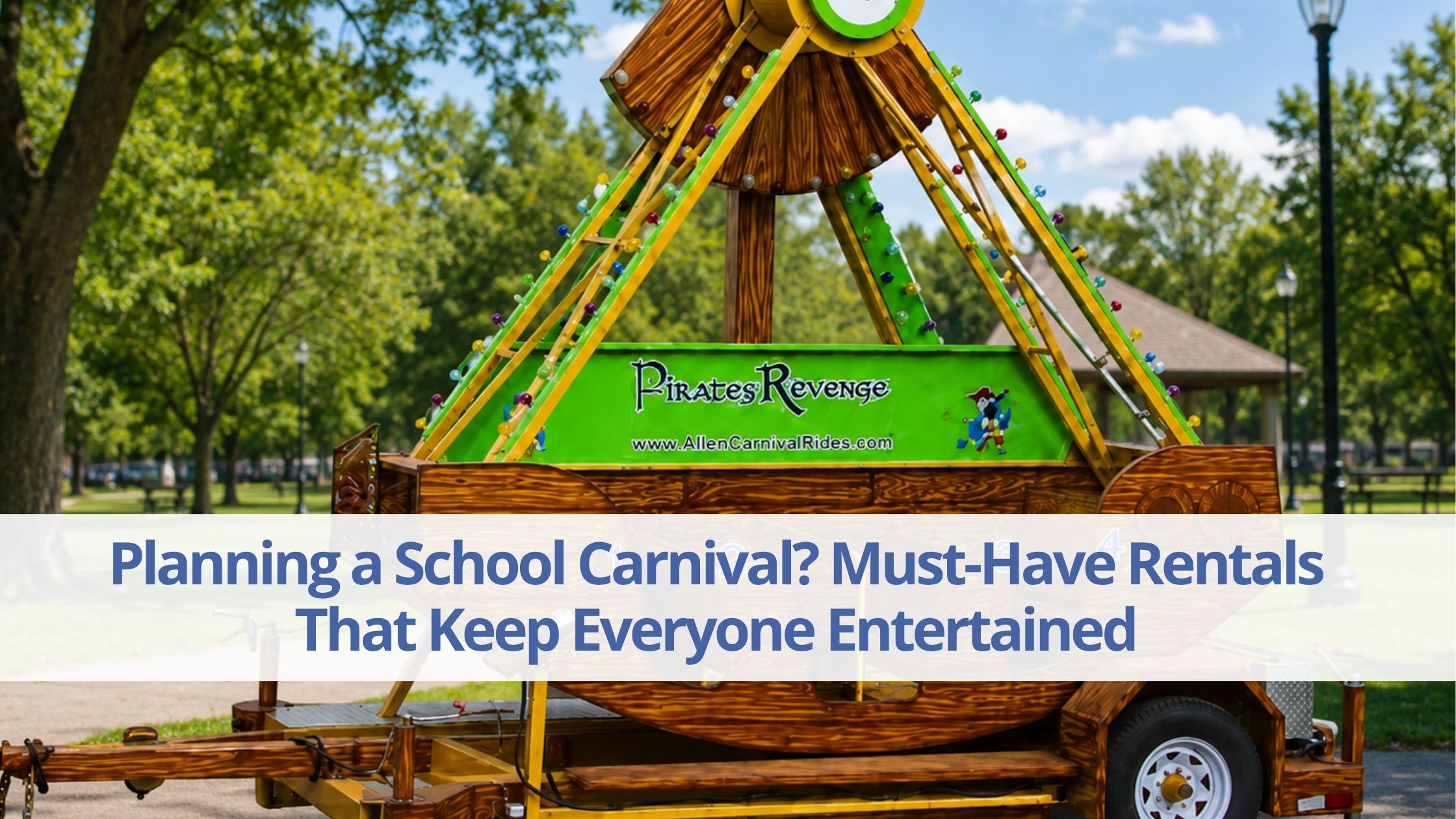
A carnival needs to feel like a carnival, and honestly, nothing does that faster than a ride in motion. Families pull up; they see something moving, lights, maybe some music, and the whole event already feels alive before anyone’s even checked in. Depending on your space and your school size, a ride can easily carry the day as a centerpiece. Some go-to options:- Trackless trains
- Kiddie rides
- Carousels
- Ferris wheels
- Mechanical rides
- Climbing walls
Games Fill the Gaps Rides Can’t
Not every kid wants to wait in line for a ride. Some just want to move on to the next thing. That’s really the whole case for interactive game rentals quick, in-and-out activities kids can knock out between the bigger attractions. They keep the energy up without turning the whole event into one long queue. Sports challenges, inflatable competitions, skill games, head-to-head matchups this stuff tends to land especially well with older elementary kids and middle schoolers who want a little competition but don’t want to commit twenty minutes to it. Put a few near the food area or along a main walkway and suddenly the “dead zones” of your carnival aren’t dead anymore.Inflatables Bring the Energy
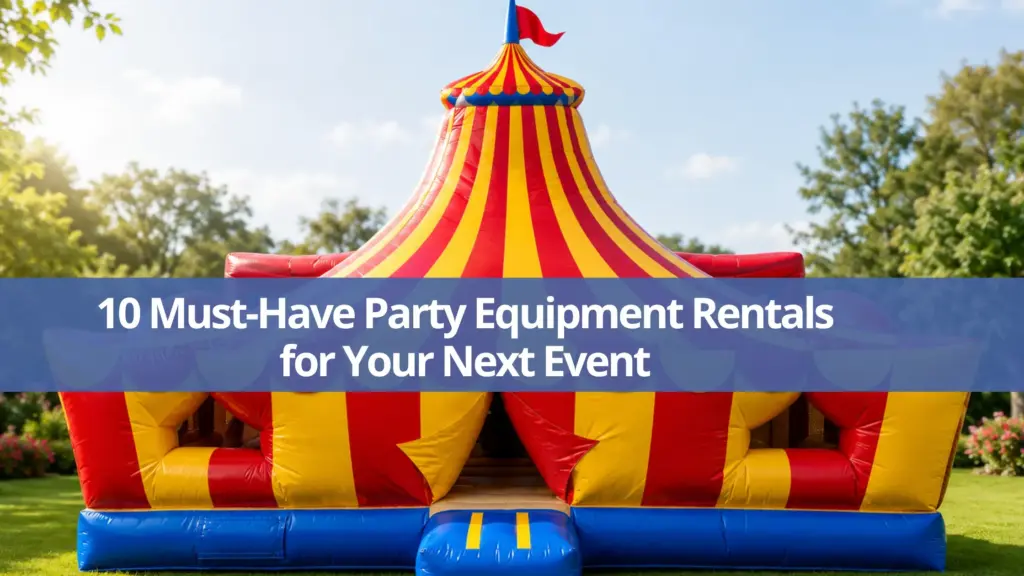
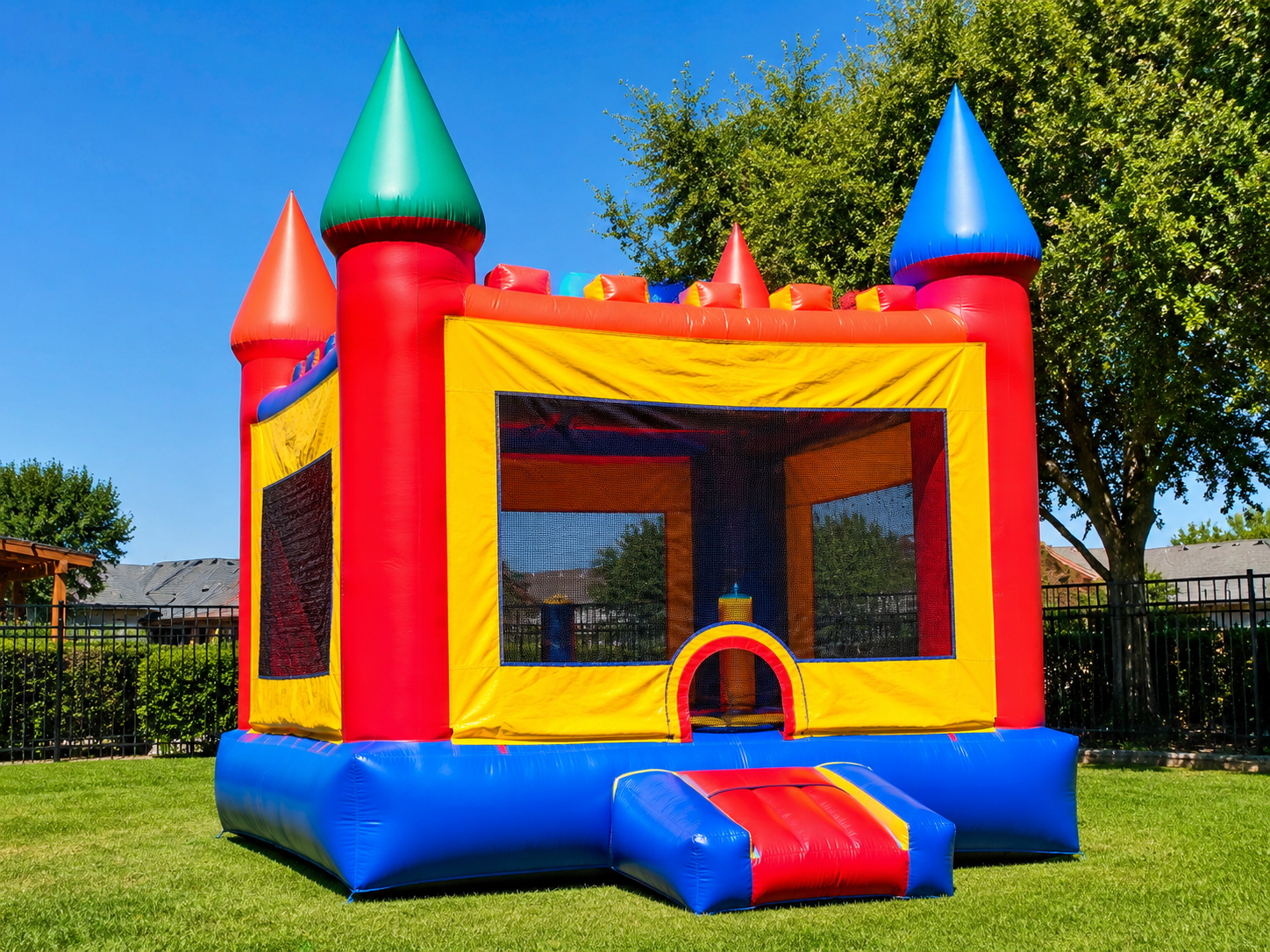
Bounce houses are still bread and butter for younger kids, and there’s a reason that they just work. But you don’t have to stop there. Slides, combo units, and obstacle course rentals give older kids something to actually move through, which matters more than you’d think. Nobody wants to be stuck inside a bounce house for twenty minutes when there’s a whole carnival happening outside. Obstacle courses solve that kids go through when they come out; the next group goes in. If your date happens to land somewhere warm (and in Houston, odds are decent it will), water slides for rent are worth a look too. Cools everyone off, keeps the lines for other stuff shorter, and honestly the kids will thank you for it. A decent starting mix: one bounce house for the little ones, an obstacle course or combo unit for the older crowd, and one bigger ride the whole family can share.Think About Event Flow, Not Just Equipment
You can have amazing rentals and still end up with a carnival that feels like a crowded hallway if the layout is off. Think of it almost like laying out in a small town. A few anchor attractions. Smaller stuff scattered around them. Food somewhere people can grab a bite without blocking the path. Clear routes connecting it all. Whatever you do, don’t shove your biggest draws into one corner. Train, obstacle course, climbing wall, food booths all crammed together and now that one corner is a bottleneck while the rest of the field sits empty. It happens more often than you’d guess. Spread it out and the whole event just feels bigger. Same equipment, completely different vibes.Zones Make Everything Easier
One trick that actually works: break the carnival into zones instead of scattering things randomly. A little-kid zone bounces house, toddler ride, something small and gentle. An active zone obstacle course, climbing wall and a cluster of interactive games. A family zone built around the trackless train or a ride parents and kids can do together. Let food and seating sit in the space between the zones, kind of tying the whole layout together. Parents figure out the map almost instantly this way, and your volunteers spend less time pointing at people in the right direction and more time actually helping.Nobody Wants to Wait in Line All Day
Some lines are unavoidable the popular stuff is popular for a reason. But you can soften it. If a ride only handles a handful of guests at a time, put something fast-moving nearby. Games move quickly. Obstacle courses cycle people through fast too. Give kids somewhere else to go instead of just standing there. For a bigger carnival, a few medium-size attractions usually beat sinking your whole budget into one giant ride. More options, shorter lines, happier crowds.Do Not Forget Parents and Siblings
A school carnival isn’t just for student’s parents, siblings, grandparents, the family friend who tagged along; they’re all part of the day too. Trackless trains and a lot of the standard carnival rides work great here because adults can actually ride along. And the games? Somehow a basketball challenge always turns into a parent-versus-kid showdown within the first hour. Every time. Those little unplanned moments are usually what people remember most. Not the schedule. Not the layout. Just some dad lost a basketball game to his ten-year-old in front of everyone.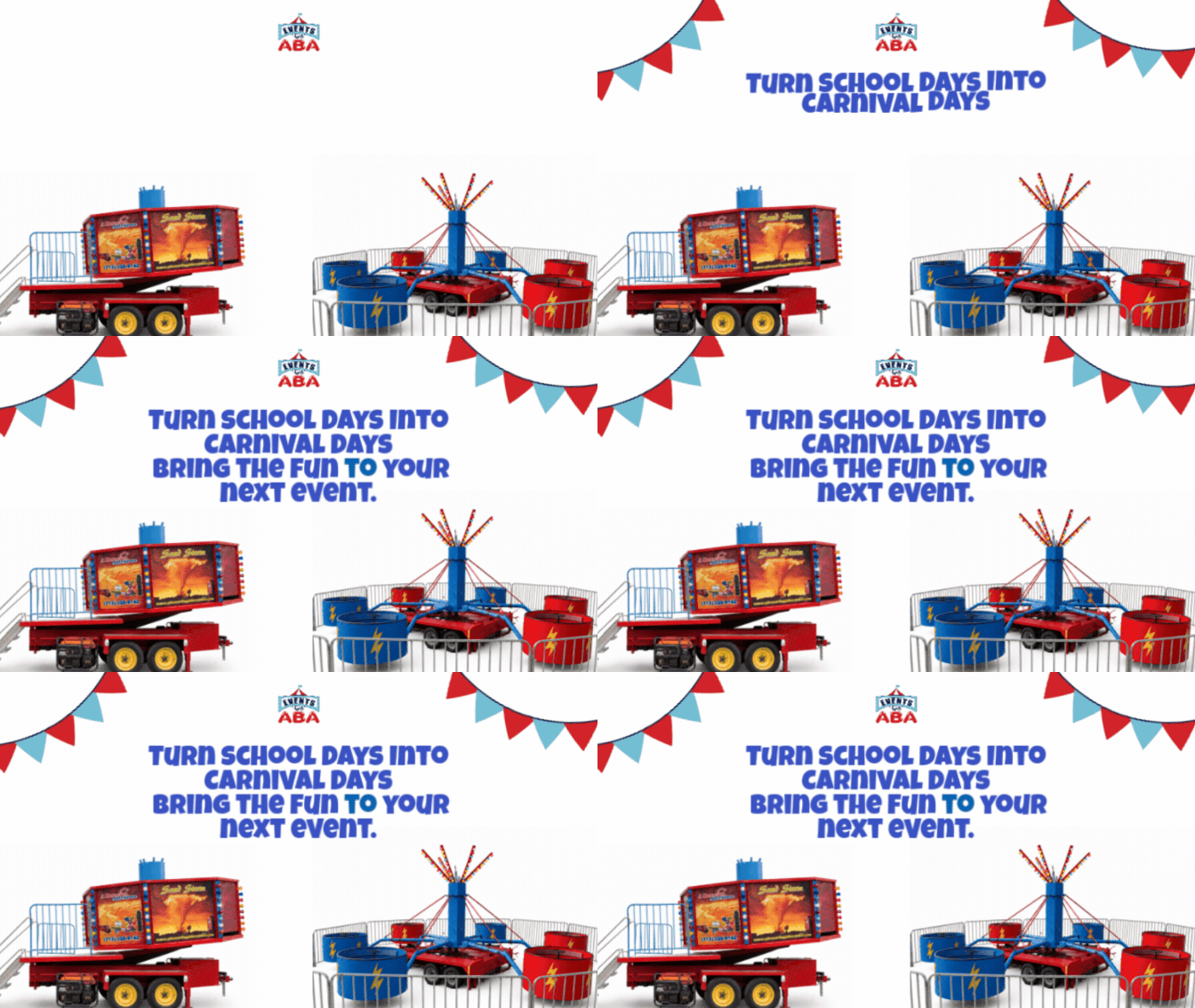
Food Gives People a Reason to Stick Around
Entertainment gets people moving through the carnival. Food is what makes them stay. Popcorn, cotton candy, snow cones, the usual suspects plus whatever else you want to add from party concession rentals, set up near seating or wherever people naturally gather. Toss in a photo booth, face painting, a raffle table, maybe a booth run by a teacher or two. None of it needs to compete with the big attractions. It just fills the gaps and gives people a reason to slow down for a minute.Check Your Space Before You Fall in Love With a Ride
Before you get attached to a specific ride, make sure the school actually has room for it. Parking lots, fields, courtyards all come with their own quirks. Bigger rides need level ground and clear delivery access. Inflatables need room to anchor properly, plus space for blowers and safe entry points. And power, don’t forget power. Figure out early whether you need a generator. Sort this stuff out first. It saves you a headache two weeks before the event.Build the Package Around Your Crowd, not a Checklist
There’s no magic formula here. It depends entirely on who’s coming. A smaller elementary school can do just fine with a trackless train, a bounce house, a combo unit, and a few games. A bigger school might want a Ferris wheel, a climbing wall, several inflatables, and more games layered in. Both can be great carnivals they’re just built for different crowds. It comes down to attendance, ages, space, budget, and how long you’re running the event. Worth checking current party rental deals too, since bundling attractions together tend to stretch a budget further than booking everything piecemeal. Instead of asking “how many rentals do we need,” try asking “is there enough here to keep people moving?” That question tends to lead somewhere better.Elevate Your Next School Carnival or Event
Bring high-energy excitement to your students and families with inflatable games, obstacles, and water slides. Perfect for end-of-year bashes, fundraisers, field days, and community festivals.
Reserve School Event Rentals →
Book Popular School Carnival Rentals Early
Spring and fall are the busy seasons for school carnivals around Houston. If you’ve already got a date locked in, or your heart set on one particular ride, book early. It just gives you more room to work with. If your event falls closer to the holidays, ask about seasonal Holiday Inflatables too they add a nice festive touch without much extra planning on your end. Booking ahead also gives the rental company time to look at your venue and help you land on a combination that fits, instead of scrambling something together last minute. For PTOs especially, booking early just means fewer fires to put out as the date gets closer.Create a Carnival That Feels Full Without Feeling Crowded
You don’t need dozens of attractions to have a great carnival. You need the right handful. One or two solid rides. Some inflatables and games mixed in for variety. Everything spreads out, so no single corner turns into a bottleneck. Something for every age group in the crowd. Get that mix right and the rest kind of takes care of itself families keep moving, kids stay engaged, and the whole thing feels lively without tipping into chaos. That’s really the sweet spot most schools are chasing, whether they realize it or not.FAQ
- What are the best carnival ride rentals for school events? Trackless trains, kiddie rides, carousels, Ferris wheels, and climbing walls are the usual favorites. Which one’s “best” depends on your students’ ages, how many people are showing up, and how much space you’ve got.
- Why are interactive game rentals good for school carnivals? They give kids something quick to jump between rides, and they’re especially popular with older kids and teens who want a bit of competition without a big-time commitment. They also help spread the crowd out, so everyone isn’t bunching around the same ride.
- How many rentals should a school carnival have? There’s no set number. It comes down to attendance, how long the event runs, the age range, and how many people at each attraction can handle. Generally, a mix of rides, inflatables, and games beats leaning too hard on one or two big-ticket attractions.
- What works best for a school carnival with multiple age groups? A little bit of everything for younger-kid attractions, family rides, obstacle courses, and games, so nobody in the crowd is left standing around with nothing to do.
- How early should schools book carnival ride rentals? As early as you can, honestly. Spring and fall weekends in Houston fill up fast, especially if your date’s already set in stone.